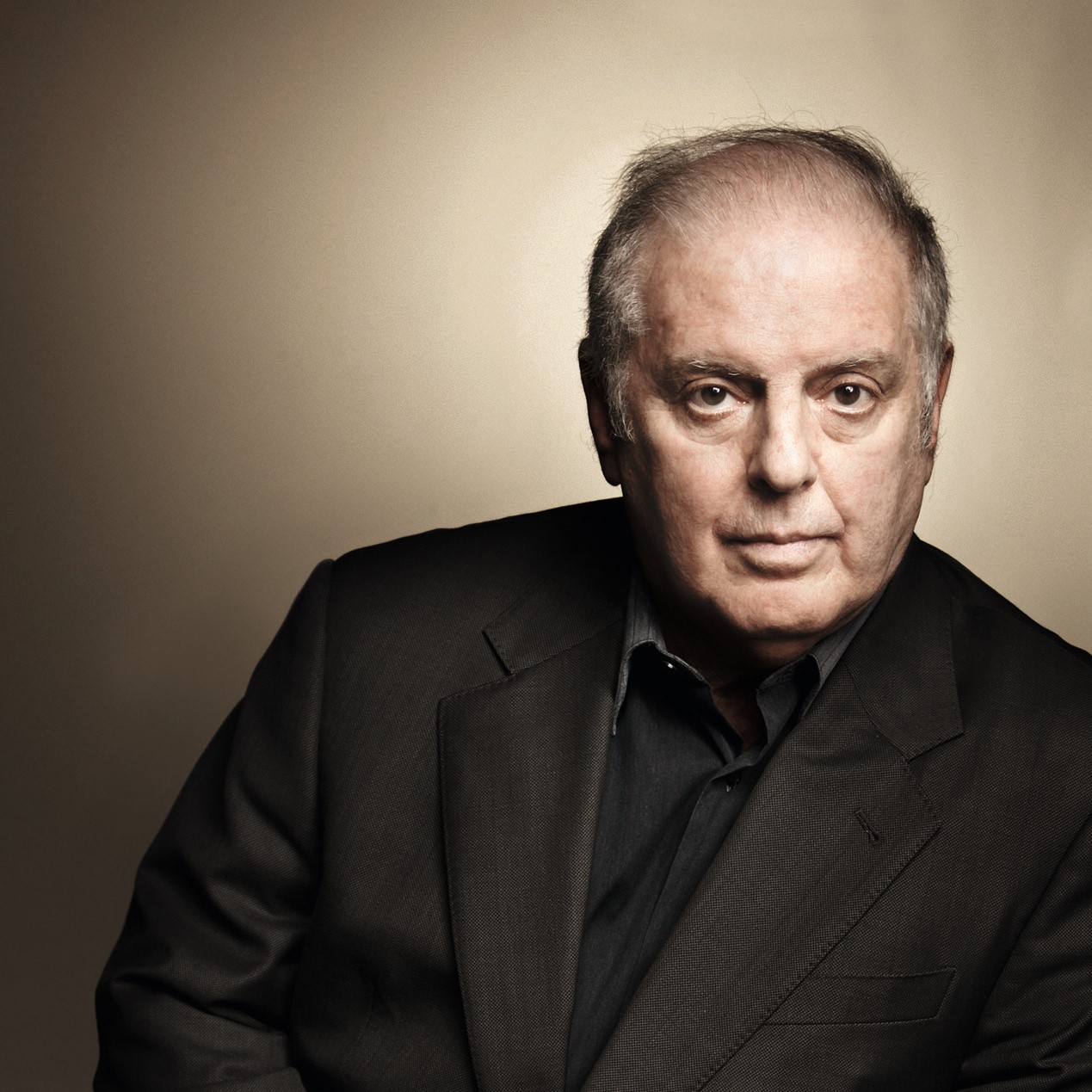
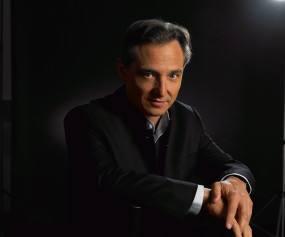
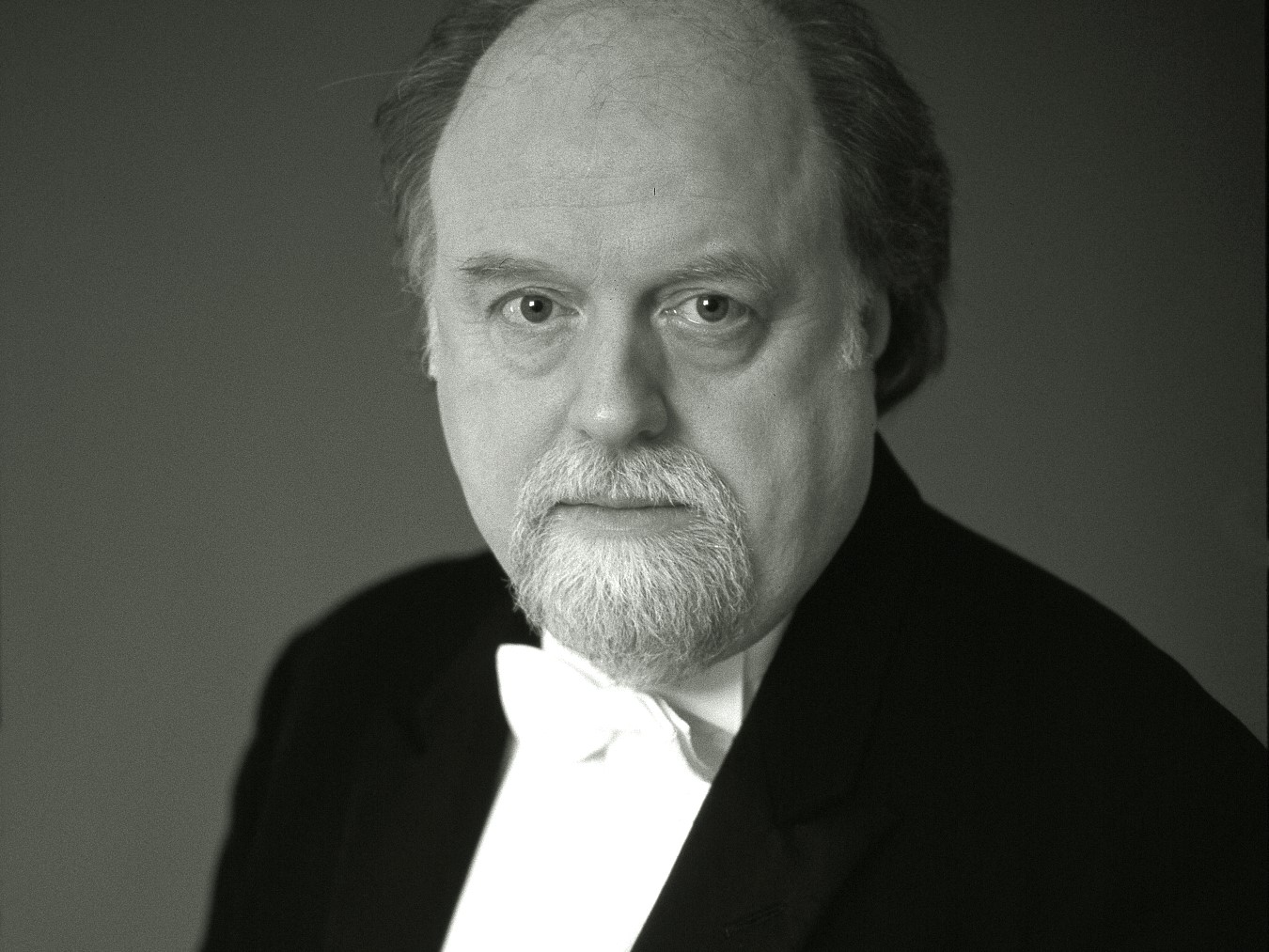
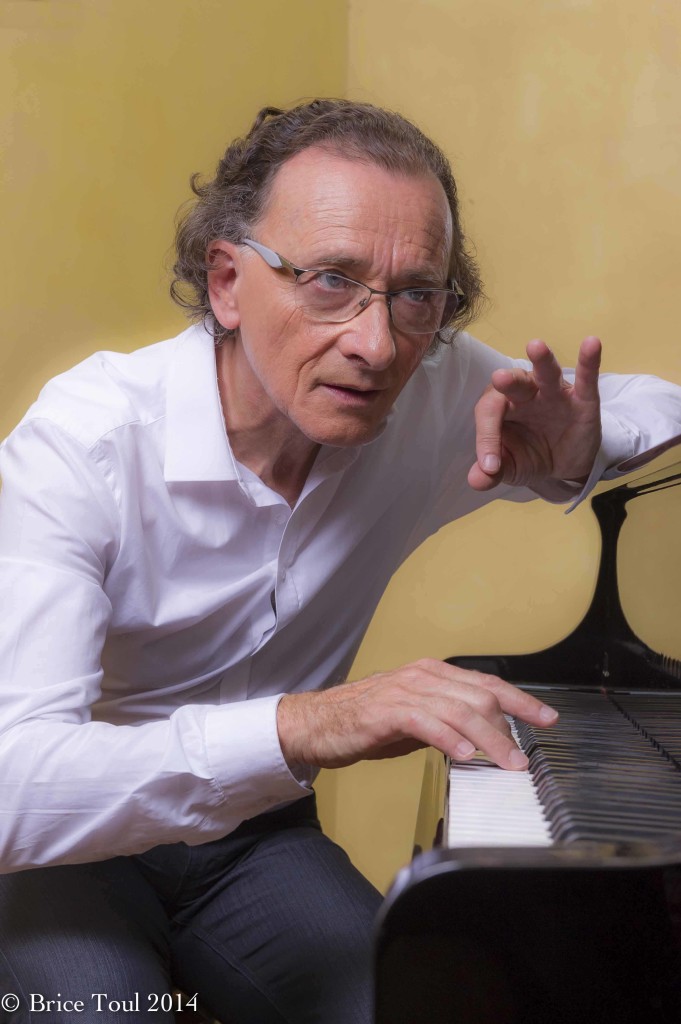
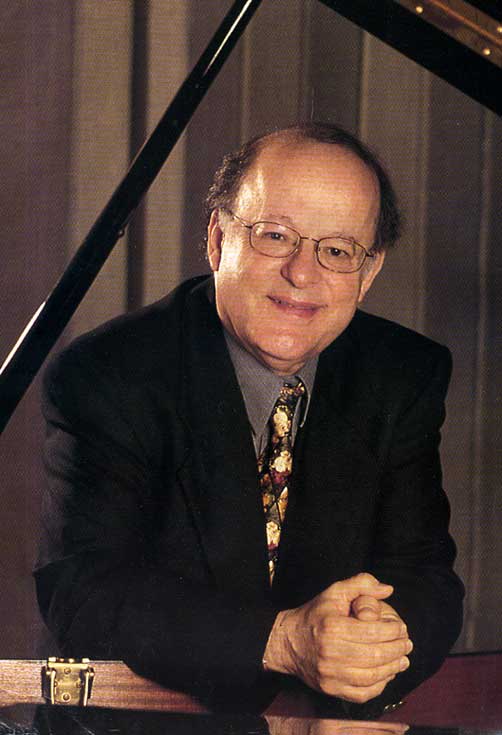
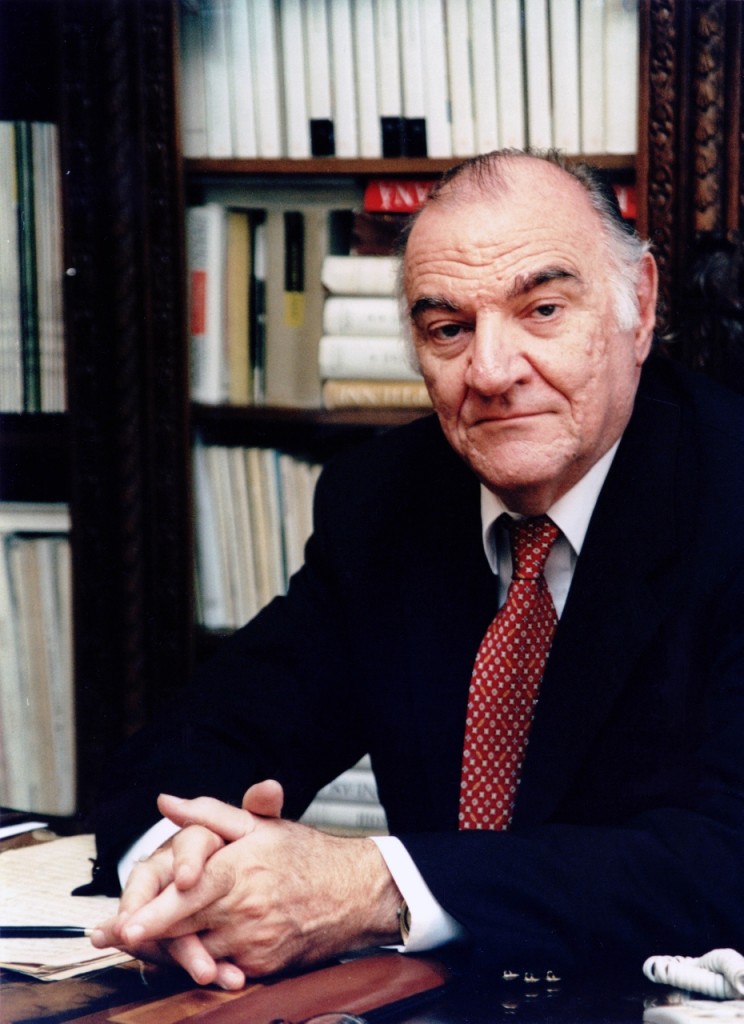
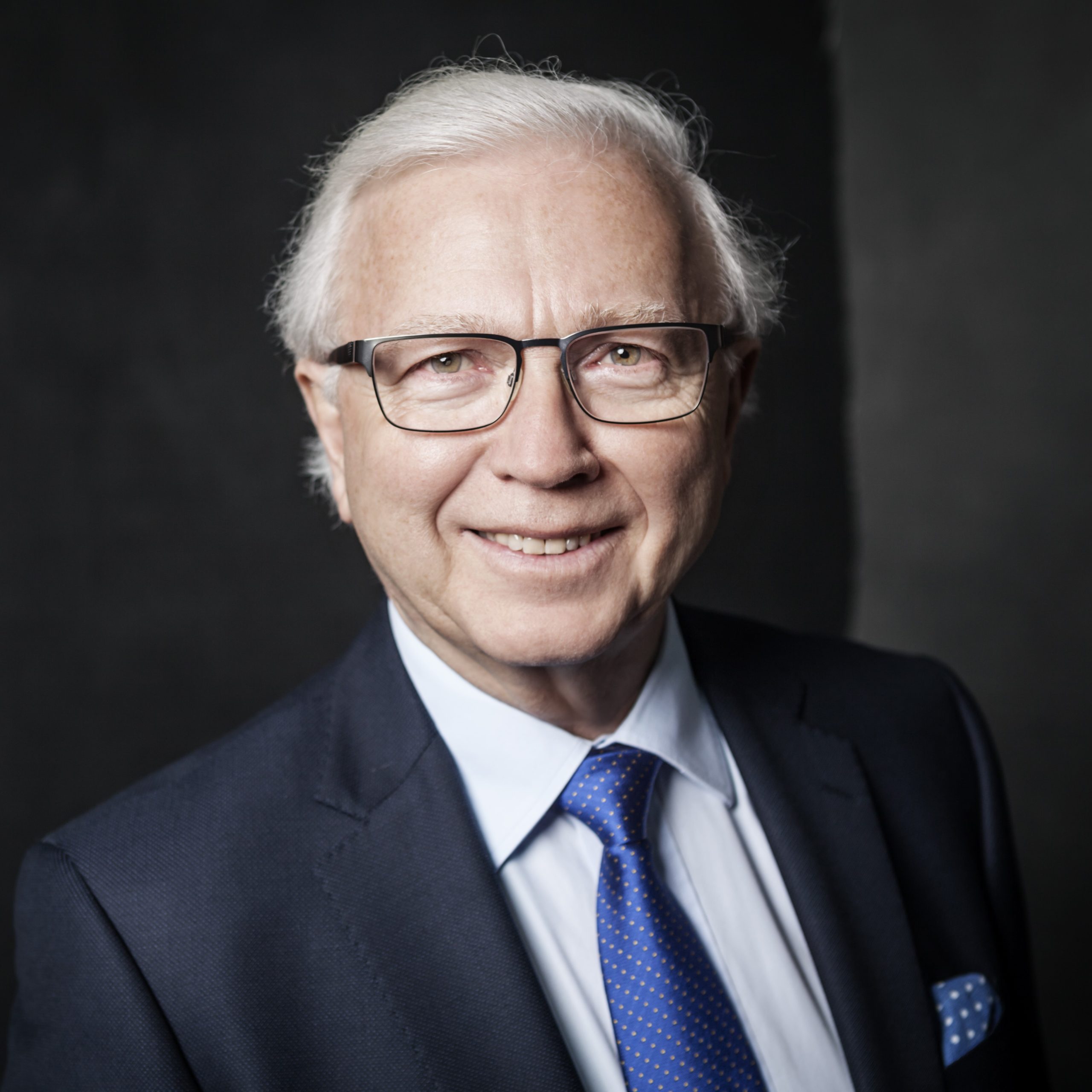
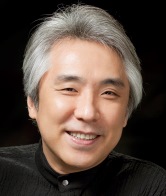
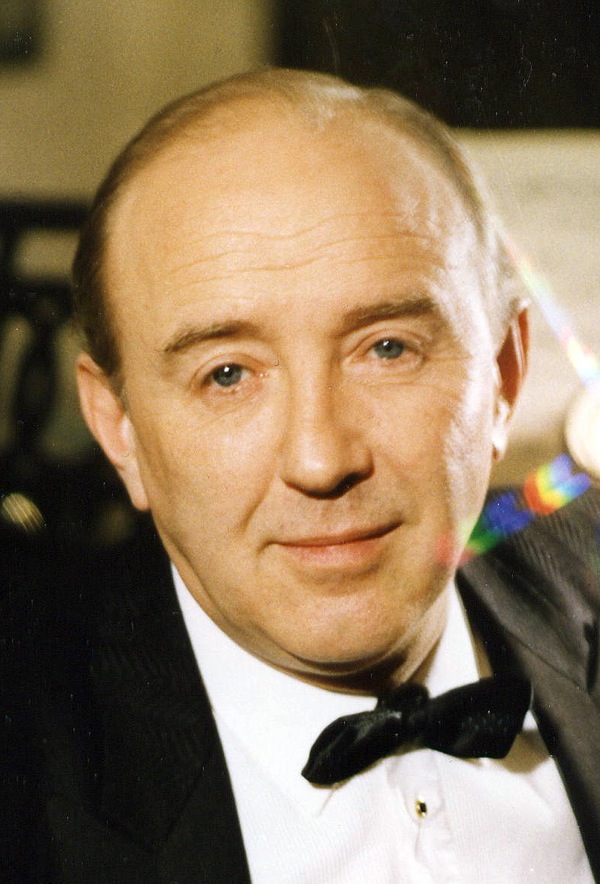
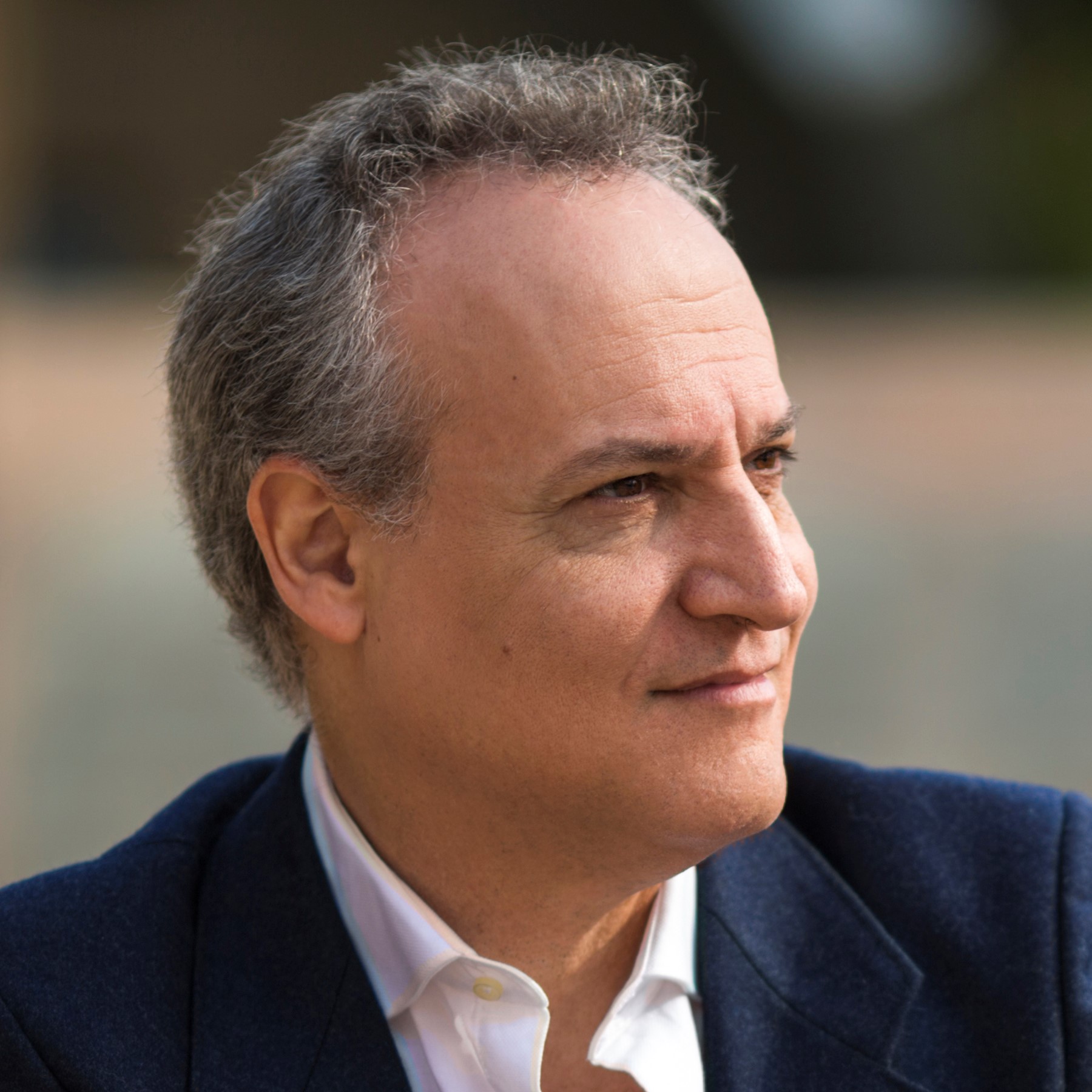
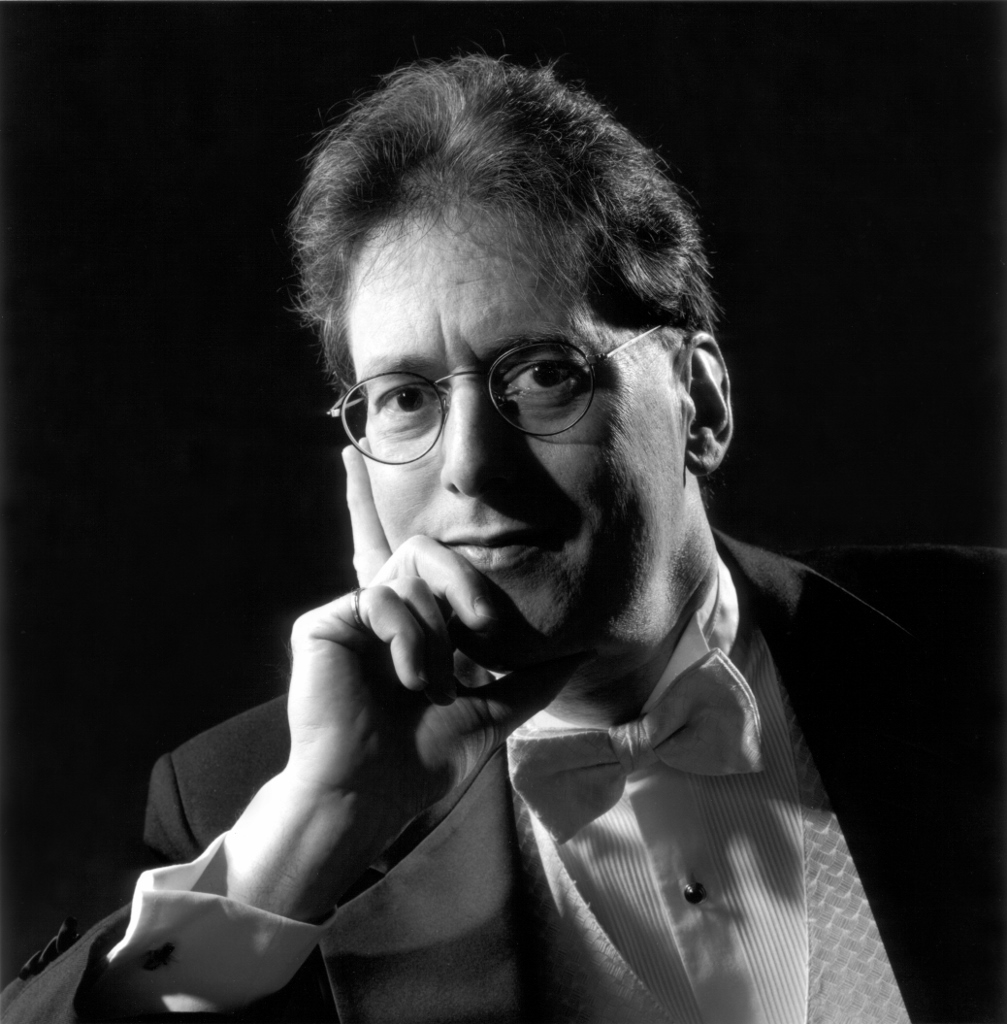
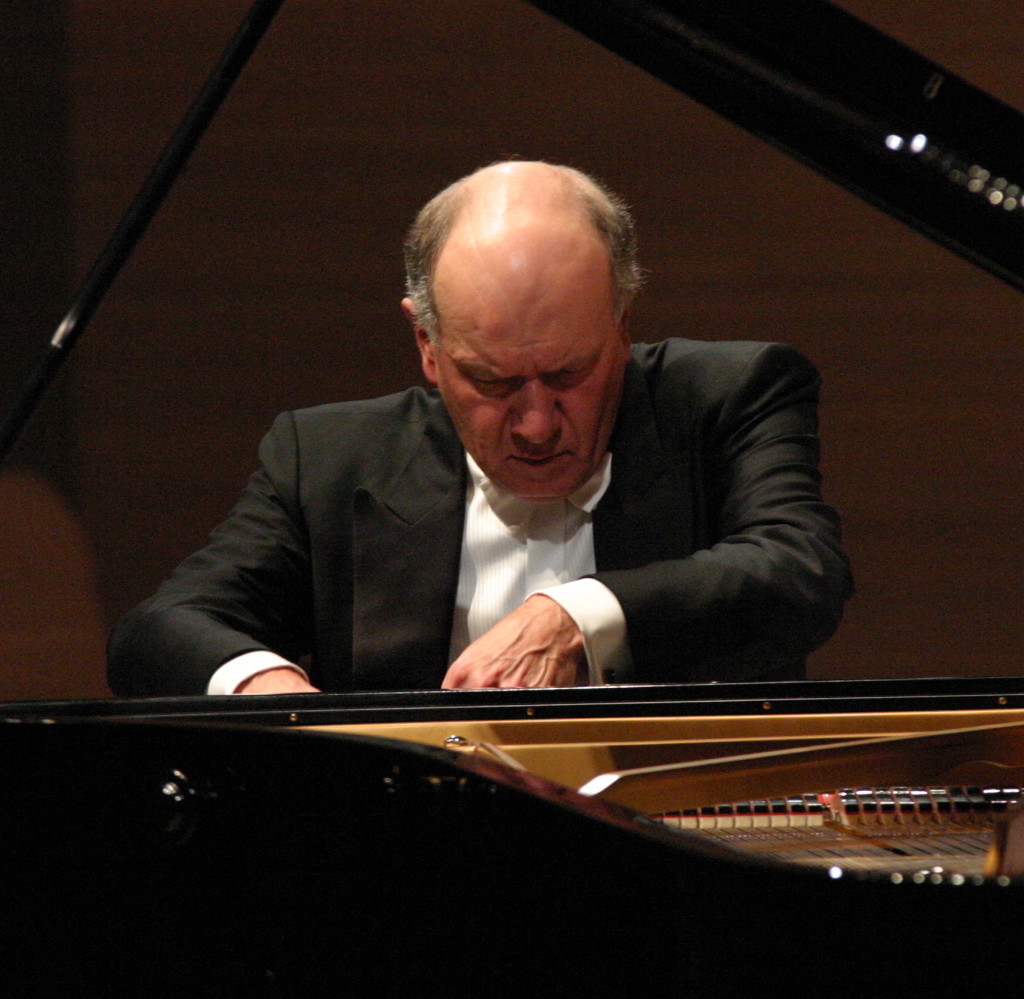
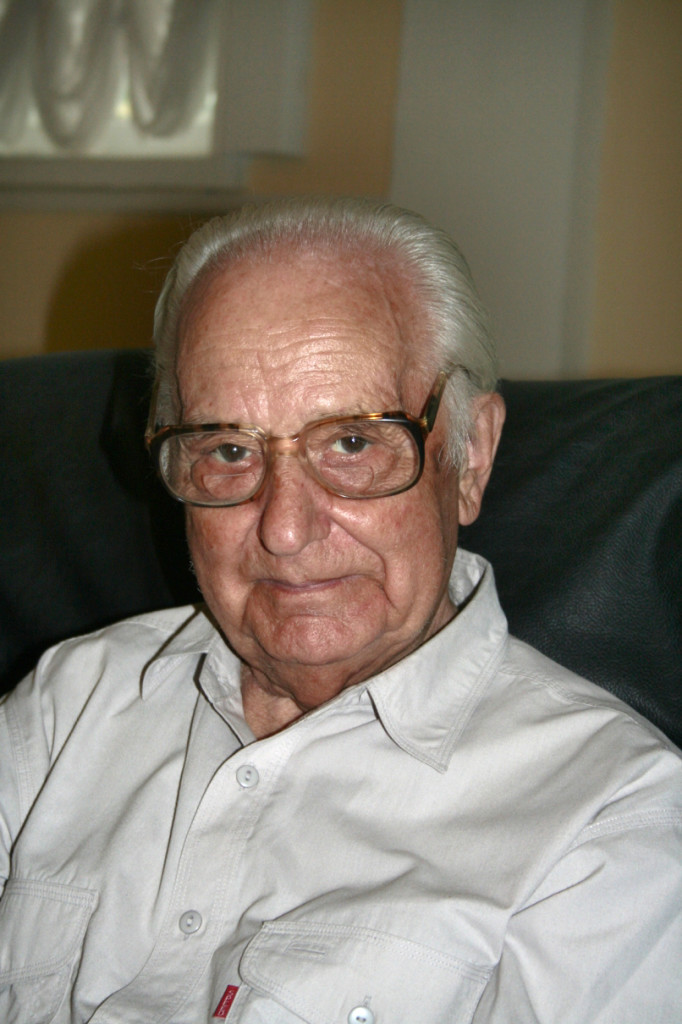
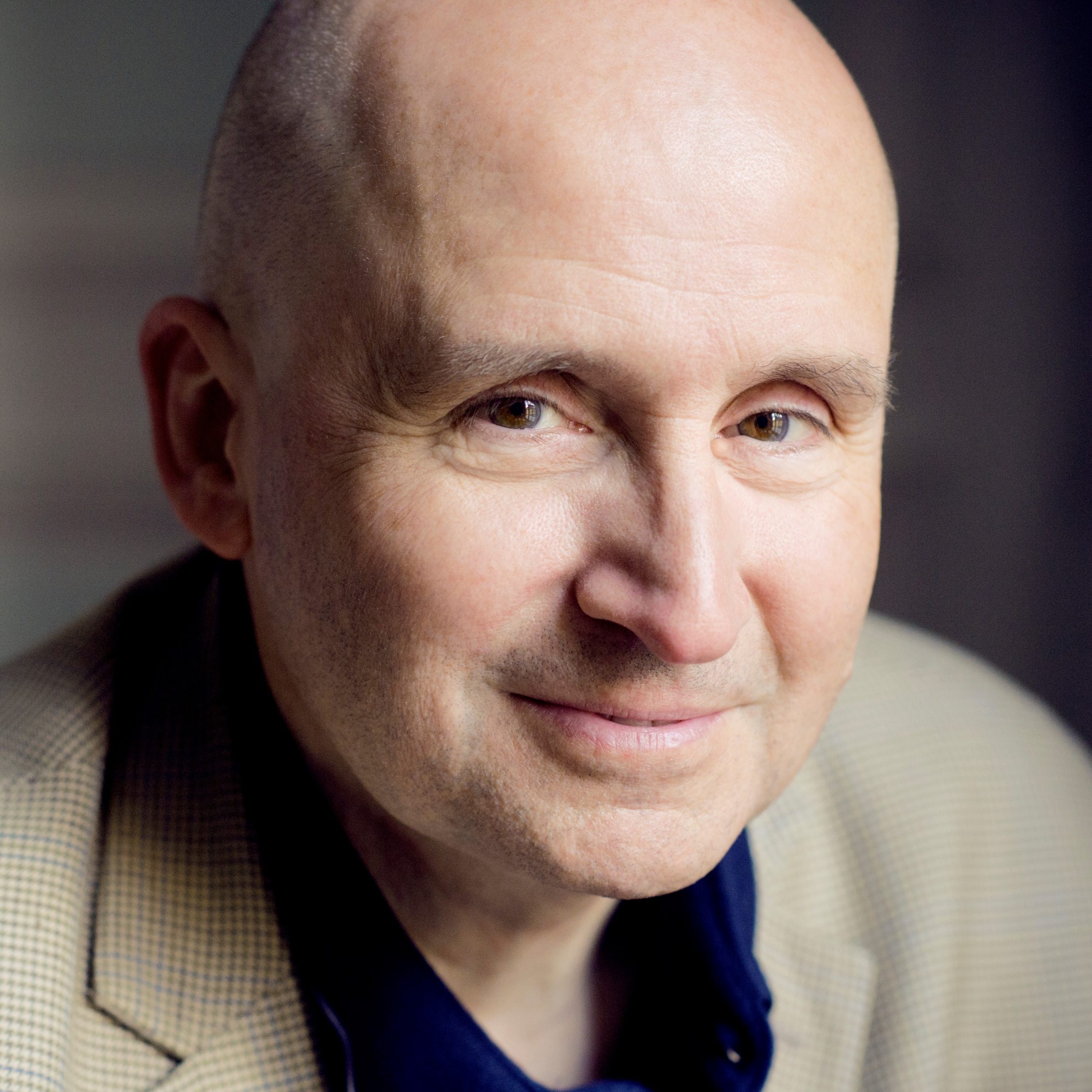
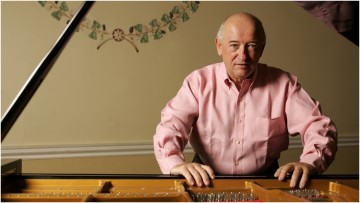
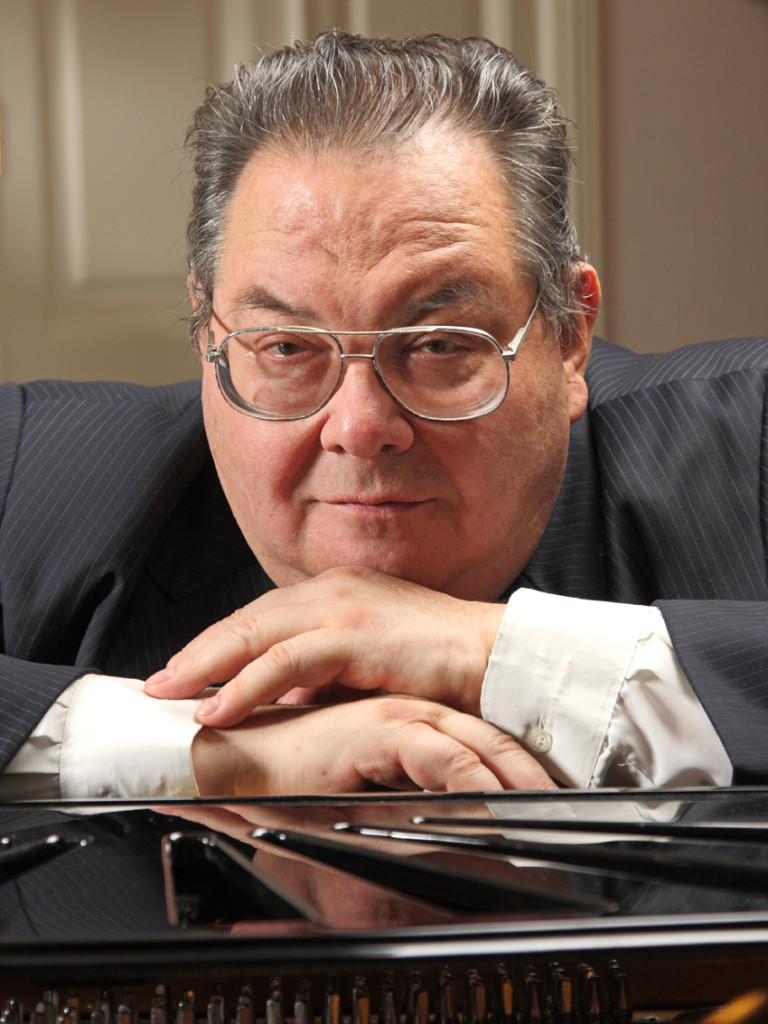
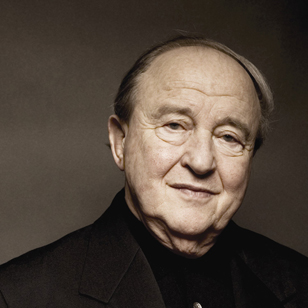
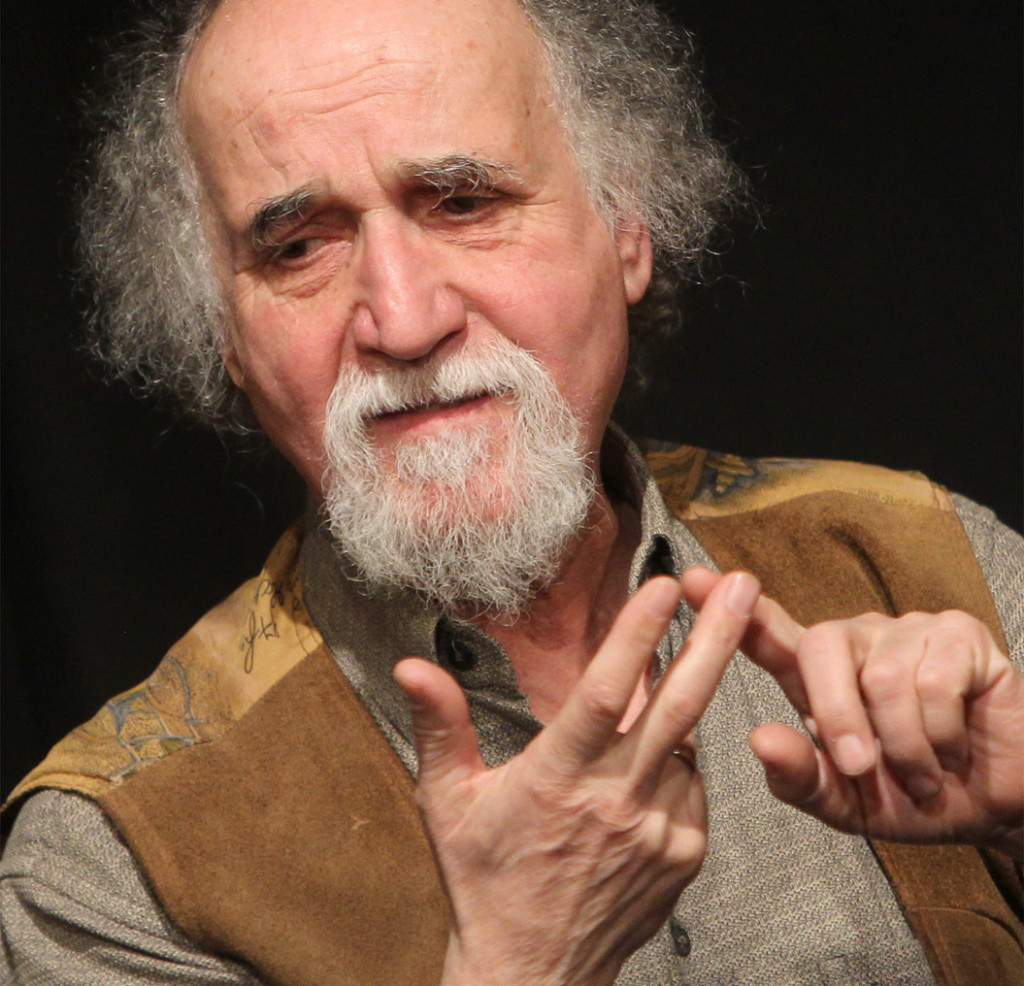
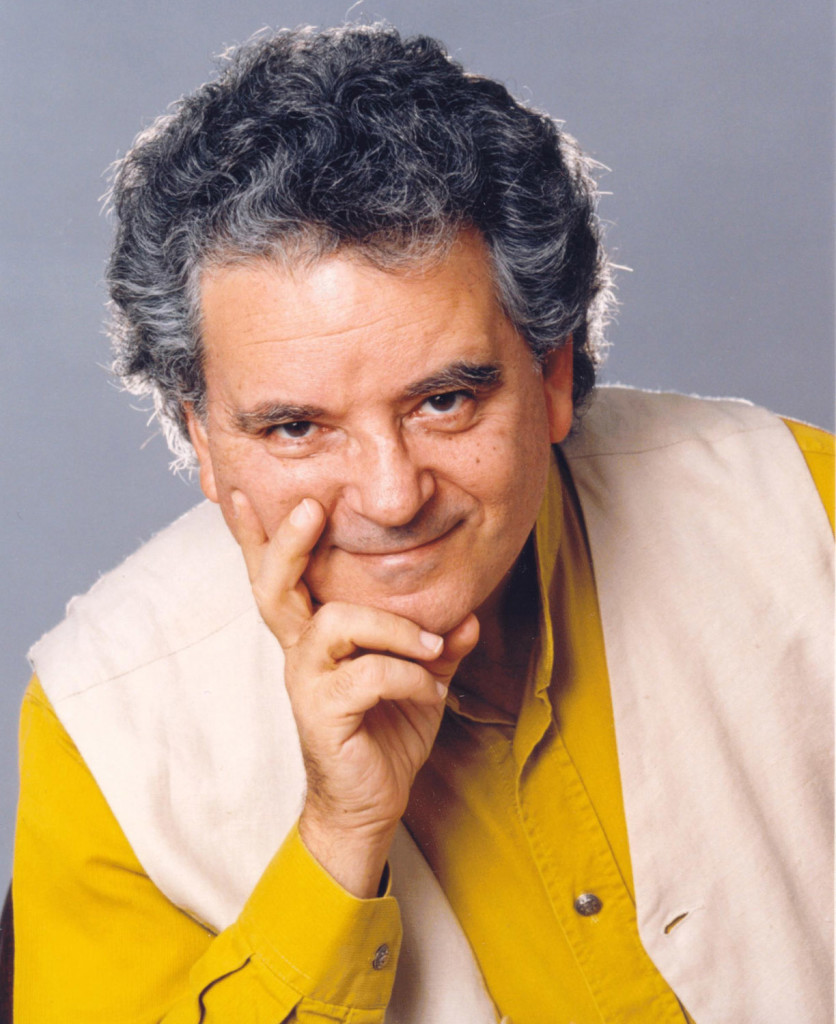
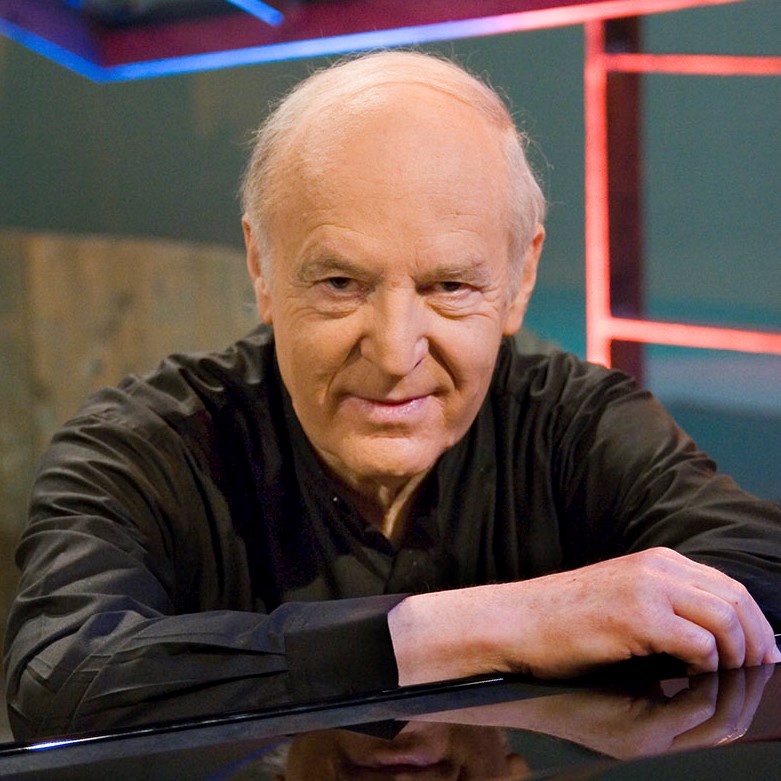
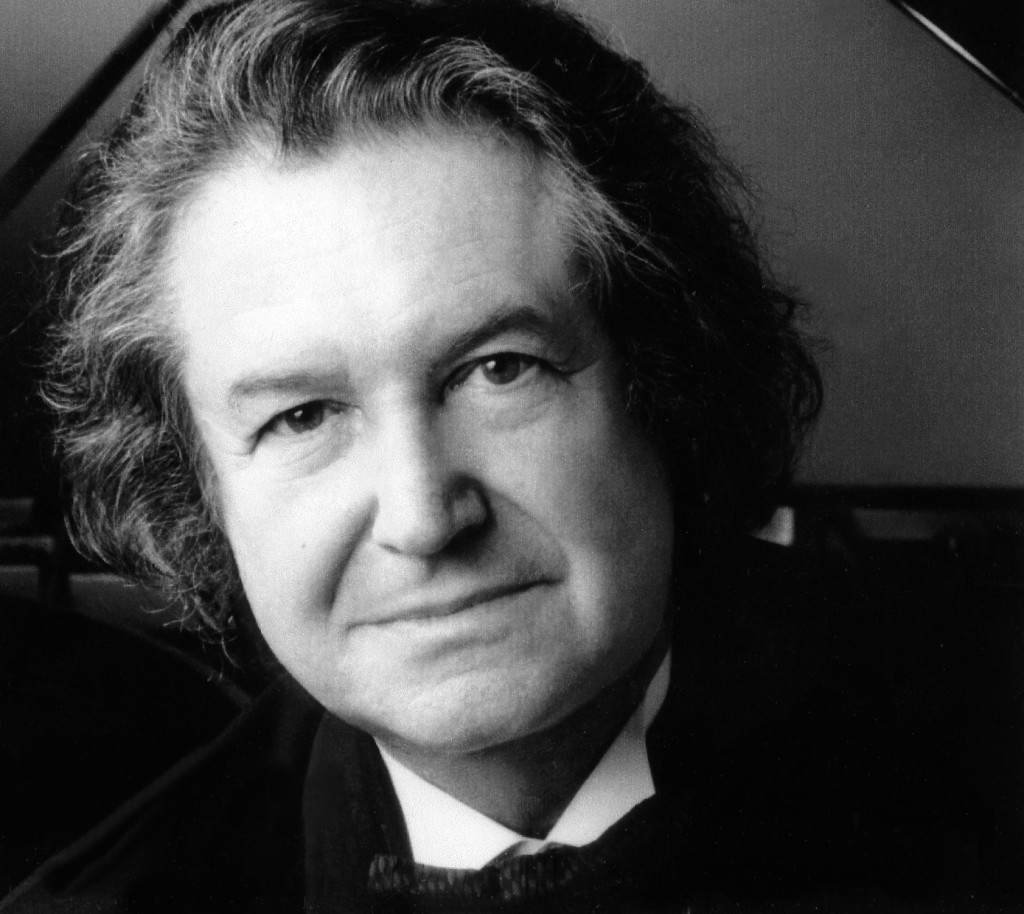
Eugen Indjic was born in Belgrade in 1947. His mother was a Russian amateur pianist and his father a Serbian army general under King Peter II of Yugoslavia. Immigrating to the US with his mother at the age of four, he there became interested in music after hearing a recording of Chopin’s Fantaisie-Impromptu and Polonaise in A flat major.
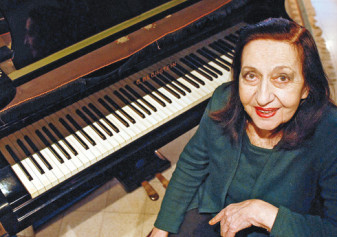
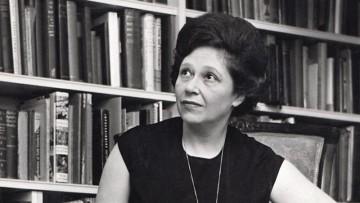
Moved by a desire to master these pieces, he took systematic piano lessons with Georgian pianist, Liubov Stephani and Benjamin Kalman, a student of Emil von Sauer in Berlin.
Eugen Indjic made his first public performance at the age of nine, appearing with the Springfield Symphony, playing Mozart’s D minor Piano Concerto.
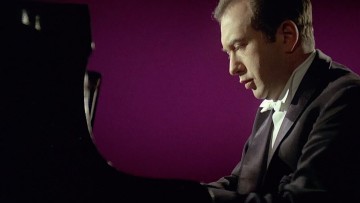
After two years, Mrs. Stephani introduced him to Alexander Borovsky (the eminent Russian pianist and Prokofiev’s classmate in Yesipova’s class) who taught him in Boston for the next five years (1959-1964).
At the age of eleven, he was already playing Liszt’s Campanella and 13th Hungarian Rhapsody on NBC television and at twelve, made his first recording for RCA Victor on Rachmaninov’s own piano, playing Beethoven’s Diabelli Variations.
At thirteen, he performed Liszt’s Piano Concerto No.1 and a year later the Brahms Piano Concerto No.2 with the Washington National Symphony Orchestra.
Between 1961 and 1971, invited by Arthur Fiedler, Eugen Indjic appeared numerous times each season with the Boston Pops orchestra. His first concert tour was in Denmark (1963), together with Alexander Borovsky.
“He plays Chopin as a pole, Debussy as a Frenchman and Prokofiev as a Russian master” wrote the Politiken of Copenhagen.
After his graduation year from Phillips Academy in Andover, Erich Leinsdorf invited him to play Brahms’ Piano Concerto No. 2 with the Boston Symphony, making him the youngest soloist ever to appear with that orchestra.
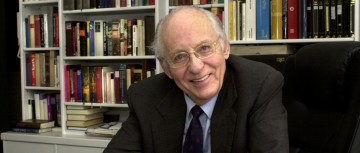
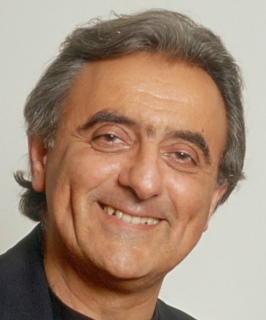
Leonard-Bernstein Scholar at Harvard University, he studied musicology and composition with Laurence Berman and Leon Kirchner graduating “cum laude” in 1969. Kirchner, a student of Schönberg, introduced Indjic to Schenkerian analysis, of which he remains an ardent proponent.
Bernstein qualified him as “an extraordinary pianist and musician” and Emil Gilels, for whom he played often in these years called him “a unique and inspired artist”.
During his Harvard years, he took private lessons at the Juilliard School of Music with Mieczysław Münz and Rosina Lhévinne’s apprentice Lee Thompson.
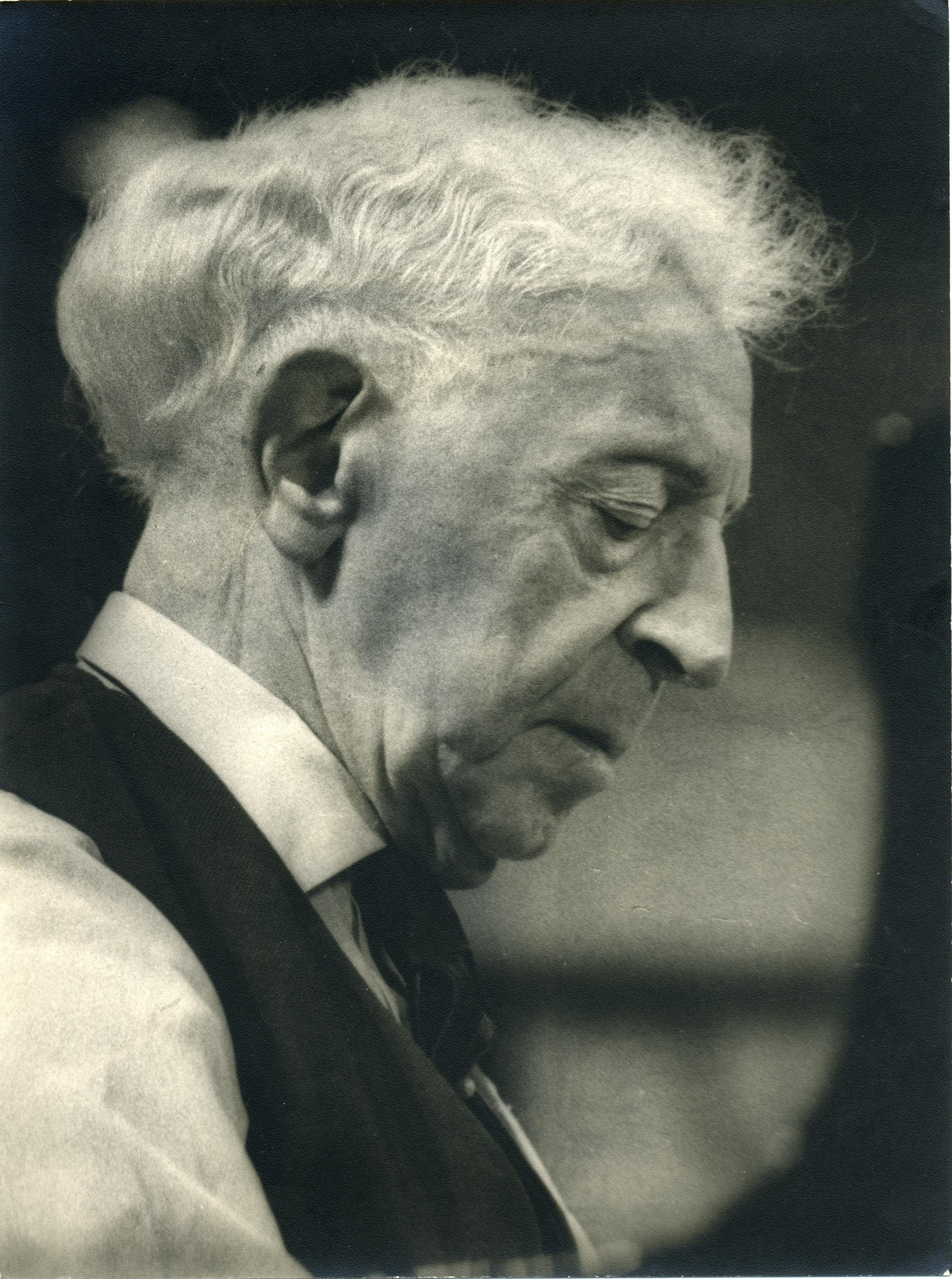
In 1968, he met Arthur Rubinstein, who until his death remained a friend and mentor, calling Indjic “a world-class pianist of rare musical and artistic perfection”.
His friend, the composer Alexandre Tansman, who introduced him to Vladimir Horowitz, dedicated Caprice: A Piacere to him.
At that time he continued studying composition with Nadia Boulanger in Paris.
He settled in France in 1972 after marrying Odile Rabaud, granddaughter of the French composer Henri Rabaud (Fauré’s successor at the Paris Conservatory) later becoming both an American and a French citizen.
Prize-winner of three international contests – Warsaw (1970), Leeds (1972), and Rubinstein (1974), Indjic has performed with the leading orchestras of the United States, South America, Europe and Asia, and under such conductors as Bernstein, Bělohlávek, Casadesus, Fedoseiev, Gergiev, Gielen, Jochum, Kubelík, Leinsdorf, Sanderling, Sinopoli, Solti, von Matačić, de Waart, Wit and Zinman, among others.
He continues to play regularly on great world stages such as Carnegie Hall, Avery Fisher Hall, Queen Elisabeth Hall, the Concertgebouw, the Musikverein, Salle Pleyel and Théâtre des Champs-Elysées, Tchaikovsky Hall, La Scala, etc.
Eugen Indjic was invited to participate in a televised co-production (France, Poland, Japan) of Chopin’s complete works and has recorded for Polskie Nagrania / Muza, Sony, RCA Victor, Claves and Calliope.
His discography includes works by Chopin, Debussy and Schumann (now all re-issued by the Andante Spianato label) as well as works by Stravinsky and Beethoven.
Arte Nova Classics has released live performances with the SWF Orchestra of Tchaikovsky’s Concerto in B-flat minor with Ahronovich and Rachmaninov’s Paganini Variations with Sinopoli.
His recording of Chopin’s Mazurkas was doubly acclaimed because of the Joyce Hatto hoax. The English pianist signed her name to this disc and received rave reviews.
In addition to performing, Indjic regularly teaches master classes in Europe – notably at the historic Schola Cantorum in Paris – Japan and the United States, and is a frequent jury member of international competitions including the Chopin, Liszt Wroclaw, Rubinstein Tel Aviv, Prague Spring Festival, Lisbon Vianna Da Motta…
In 2010, he was named “artist-in-residence” at the Prague Symphony Orchestra.